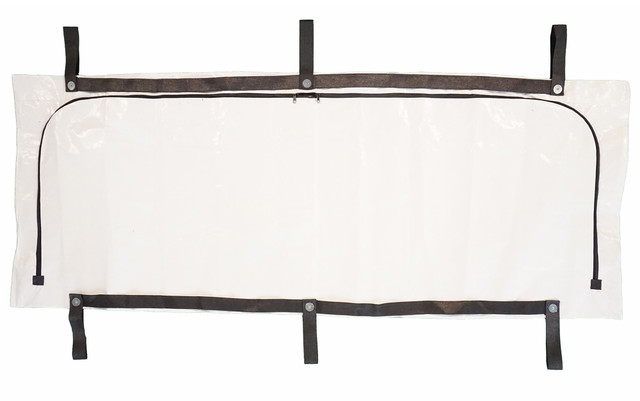
Disposable plastic Body bags-with centre zip Medium
R141.00
Uses of Hospital Body Bags
- Transportation
- Securely transport deceased individuals from the hospital to the mortuary or other facilities.
- Containment
- Prevent leakage of bodily fluids to maintain hygiene and prevent contamination.
- Infectious Disease Control
- Safely isolate bodies of individuals who passed away from infectious diseases to reduce biohazard risks.
- Identification
- Designed with labeling systems for easy identification during storage or disaster scenarios.
- Preservation
- Some body bags have insulating properties that help slow decomposition during temporary storage.
- Mass Casualty Management
- Essential for organized handling of fatalities in large-scale disasters or pandemics.
- Legal and Forensic Use
- Used by forensic teams to protect evidence during transport and investigation.
- Eco-Friendly Disposal
- Biodegradable bags support eco-friendly burial practices and reduce environmental impact.
By selecting the appropriate type of body bag, hospitals and medical facilities can ensure safe and respectful handling of deceased individuals while meeting hygiene and legal standards.
3ml Syringe luer Lock Latex Free
Types and Uses of Hospital Body Bags
Types of Hospital Body Bags
- Standard Body Bags
- Material: PVC or polyethylene.
- Features: Leak-proof, lightweight, and durable.
- Usage: Commonly used for natural deaths and general hospital requirements.
- Heavy-Duty Body Bags
- Material: High-density polyethylene or reinforced materials.
- Features: Tear-resistant, leak-proof, and thicker construction.
- Usage: Suitable for disaster recovery, transportation over long distances, or decomposed bodies.
- Biodegradable Body Bags
- Material: Eco-friendly materials like plant-based polymers.
- Features: Designed to decompose naturally over time.
- Usage: Ideal for eco-conscious facilities or burial scenarios.
- Infectious Disease Body Bags
- Material: Multi-layer materials with antimicrobial or biohazard-resistant properties.
- Features: Designed to contain infectious fluids and minimize contamination risks.
- Usage: Used for infectious diseases like COVID-19, Ebola, or other highly infectious conditions.
- Disaster Pouch Body Bags
- Material: Extra-durable and thick materials.
- Features: Built for mass casualties and extreme conditions.
- Usage: Used in mass disaster scenarios, such as earthquakes or accidents.
- Infant and Child Body Bags
- Material: Soft polyethylene or similar materials.
- Features: Smaller sizes tailored for infants and children.
- Usage: Designed for pediatric use in hospitals or morgues.
- Military-Grade Body Bags
- Material: Extra-rugged, UV-resistant, and weatherproof.
- Features: Built to withstand harsh environments.
- Usage: Used in military operations or conflict zones.
3ml Syringe luer Lock Latex Free
Related products


Sale!